

You’ve dialed in your macros, perfected your training split, and prioritize sleep like your gains depend on it. You track everything from RPE to step count. Yet, that shoulder injury from six months ago still whispers during heavy presses. The stubborn lower belly fat refuses to acknowledge your caloric deficit. Your recovery between sessions feels increasingly sluggish.
What if the missing piece wasn’t more discipline, but smarter biological communication? Enter peptides: not another supplement to choke down, but your body’s own signaling language, harnessed for precise physiological optimization.
Think of Your Body as a City:
- Hormones (Testosterone, GH) = The major corporations & government
- Peptides = The specialized couriers & messengers delivering precise instructions to specific neighborhoods (your joints, fat cells, brain cells)
They don’t add new buildings; they optimize traffic, repair potholes, and direct resources exactly where needed. This guide will translate the science into your language—recovery, growth, and performance.
Part 1: What Are Peptides? (Cutting Through the Jargon)
At their core, peptides are simply short chains of amino acids—the same building blocks that form proteins. The magic lies in their size. They’re small enough to be absorbed and travel through tissues to deliver messages, but precise enough to trigger specific, targeted responses.
The Critical Distinction Every Athlete Must Understand
| Compound Type | What It Is | Analogy | Fitness Context |
|---|---|---|---|
| Proteins | Large amino acid chains (e.g., whey, casein, muscle tissue) | Bricks & lumber (structure) | Provides raw materials for building muscle. |
| Steroids/SARMs | Molecules that directly bind to hormone receptors | A new city planner who rewrites zoning laws long-term | Alters gene expression over time; systemic, potent, with significant downstream effects. |
| Peptides | Small amino acid chains that signal & regulate | The courier delivering a permit to one specific construction site | Triggers or modulates your body’s NATURAL processes. Temporary, targeted, and restorative. |
This is the key: peptides are bio-regulators. They work by telling your body to do more of what it already knows how to do, just more efficiently and directed toward a specific goal. They’re the tap, not the flood.
Part 2: The Fitness Problem-Solver Framework
Forget memorizing chemical names for now. Let’s organize peptides by the universal athlete problems they solve. This is where theory meets the iron.
Problem 1: The Recovery Bottleneck
You can’t train hard if tendons, ligaments, or your gut are holding you back. Traditional “rest” means lost gains. Modern athletes need accelerated, targeted healing.
The Peptide Solution: Signal localized repair processes exactly where needed, reducing inflammation and promoting angiogenesis (new blood vessel formation) to deliver nutrients to injured tissue.
Your Research Starting Point: This is the domain where a healing peptide like BPC-157 has changed the game. Imagine turning a 6-week tendonitis setback into a 2-week pause. That’s the potential of precise bio-regulation.
Problem 2: Stubborn Fat & Stalled Metabolism
You’re lean everywhere except the lower abs and love handles. Your metabolism feels adaptive, fighting your deficit.
The Peptide Solution: Target fat mobilization hormones (like growth hormone-releasing factors), improve insulin sensitivity at the cellular level, or upregulate mitochondrial efficiency—your body’s fat-burning power plants.
Peptides to Research: Tesamorelin (visceral fat), MOTS-C (mitochondrial), Retatrutide (multi-pathway).
Problem 3: The Growth Hormone Ceiling
Natural GH pulses decline with age and stress. The benefits aren’t just about “mass”—they’re about sleep quality, skin thickness, joint lubrication, and metabolic rate.
The Peptide Solution: Stimulate your body’s own natural, pulsatile GH release (via Growth Hormone Releasing Peptides – GHRPs like Hexarelin) or enhance the quality and amplitude of those pulses (via Growth Hormone Releasing Factors – GRFs like Tesamorelin).
Problem 4: Systemic Wear, Tear & Aging
The cumulative damage from training, life stress, and time itself. It shows in skin quality, slow overall recovery, and that general feeling of being “run down.”
The Peptide Solution: Activate systemic repair pathways, support telomere health (the protective caps on chromosomes), and promote collagen synthesis system-wide.
Your Research Starting Point: For this category of global rejuvenation—impacting skin, hair, tissue quality, and overall resilience—the copper peptide GHK-Cu is a foundational agent. It’s like sending a repair crew to every neighborhood in your city at once.
Part 3: The Real-World User’s Primer
Delivery: The Needle Truth
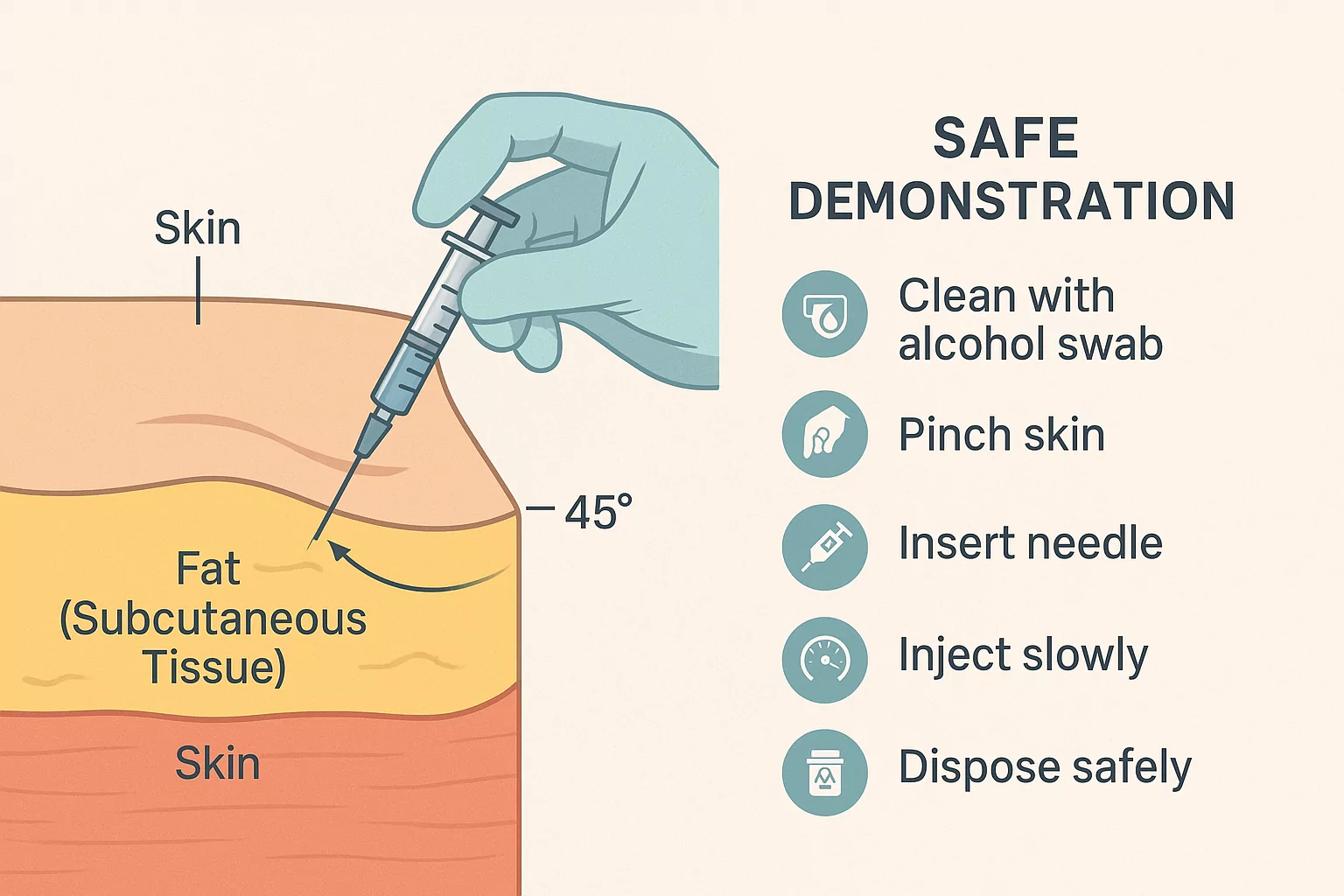
For consistent, reliable results, most peptides are administered via subcutaneous injection (shallow, into belly or thigh fat with an insulin syringe). This bypasses the gut, ensuring the fragile peptide chain reaches the bloodstream intact.
Oral forms exist but face absorption challenges. Nasal sprays work for certain brain-targeting peptides.
The “Cycle” Mentality
Peptides are typically used in cycles (e.g., 5 days on/2 off, or 8-12 weeks continuous) followed by a break. Why? To prevent receptor desensitization. Your body is smart—constant signaling can lead to it tuning out the message. Pulsing maintains effectiveness.
The Three Non-Negotiables
- Source Purity is Everything. This is your #1 safety and efficacy factor. “Research chemical” grade is common, but vendors vary wildly. Seek third-party testing (COAs) and a sterling reputation. The biggest risk is often the source, not the peptide itself.
- They Amplify Discipline, They Don’t Replace It. Peptides work with your diet, sleep, and training. They can’t outrun a pizza-and-beer lifestyle or compensate for garbage sleep. They are force multipliers for the dedicated.
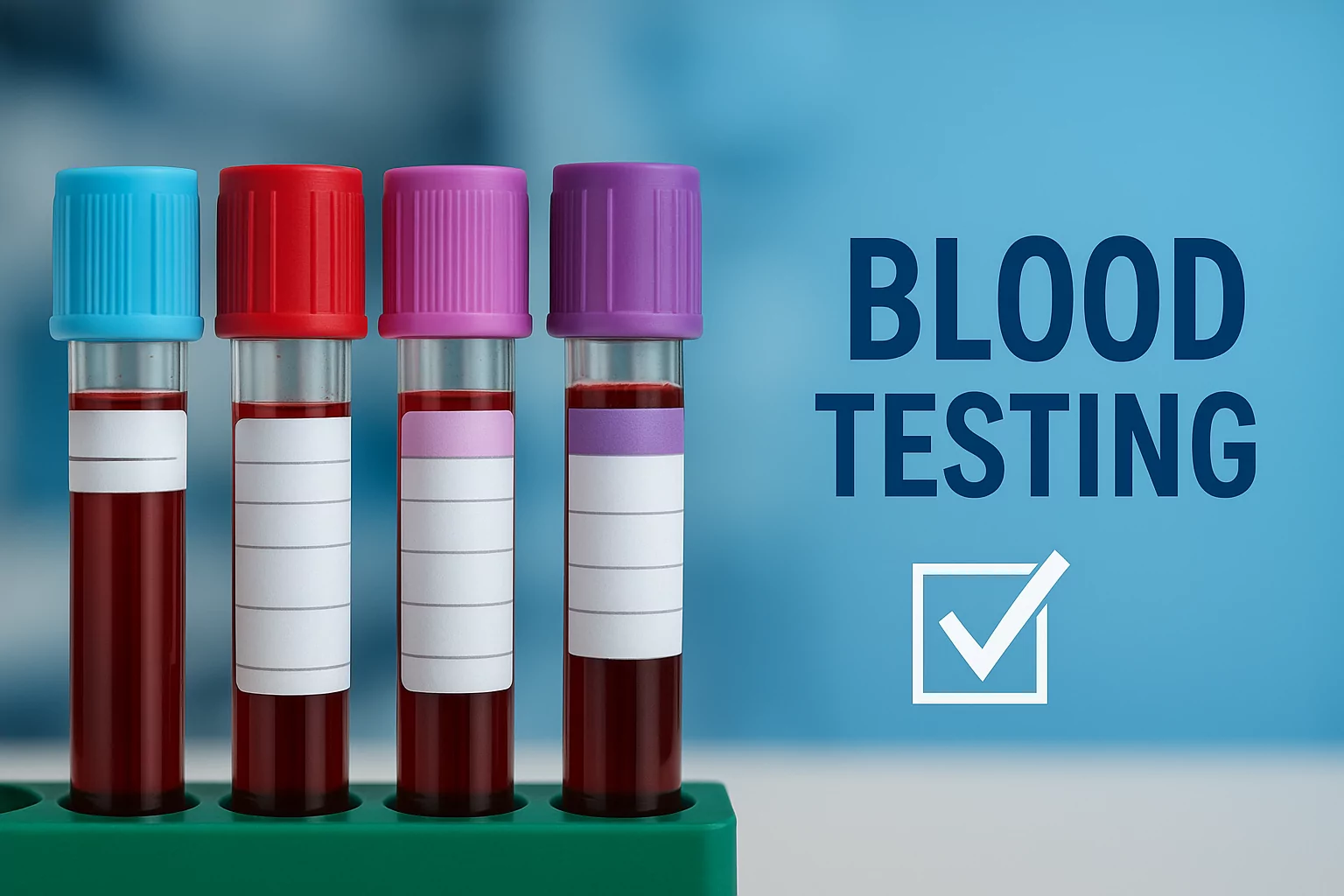
- Blood Work is Your Dashboard. Responsible use means monitoring. Baseline and mid-cycle blood panels (especially for glucose, lipids, and IGF-1) tell you what’s happening under the hood.
Part 4: Myths & Straight Talk
❌ “They’re just weak steroids.”
✅ FALSE.
They operate on entirely different pathways (signaling vs. receptor binding). They encourage natural processes; they don’t replace them.
❌ “They’ll shut down my natural production.”
✅ CONTEXT-DEPENDENT.
Most GHRPs/GRFs have a self-limiting effect due to natural feedback loops. However, understanding each peptide’s specific effect on the HPA or GH axis is crucial. This is where research is non-negotiable.
❌ “They’re a magic shortcut.”
✅ DANGEROUS THINKING.
They are sophisticated tools for optimized individuals. Beginners should master training, nutrition, and recovery first. Peptides are graduate-level work.
❌ “The legal gray area means it’s fine.”
✅ MAJOR DISCLAIMER.
Most peptides discussed are not FDA-approved for athletic or aesthetic use. They are often sold as “research chemicals” for laboratory study. You must research the legal status in your country/state and understand you are assuming personal responsibility.
The Responsible Path Forward: Knowledge First

Peptides represent a shift from blunt-force supplementation to precision biohacking. They are not for the casual gym-goer, but for the dedicated individual who views their body as a system to be understood and optimized.
Your next step isn’t to buy a vial. It’s to become a student.
Start by diving deep into specific mechanisms and protocols. Understand the powerful, localized repair potential of a healing peptide like BPC-157, or explore the systemic rejuvenation and collagen synthesis promoted by the copper peptide GHK-Cu.
In the realm of peptides, information isn’t just power—it’s the foundation of safety, efficacy, and real results.